


Effective On-Page SEO Checklist for 2025
Discover the most effective on-page SEO checklist for 2025. Learn proven SEO techniques and optimization strategies to enhance your website's rankings, increase traffic, and improve user experience.
sridigital solutions
12/17/20253 min read
Introduction
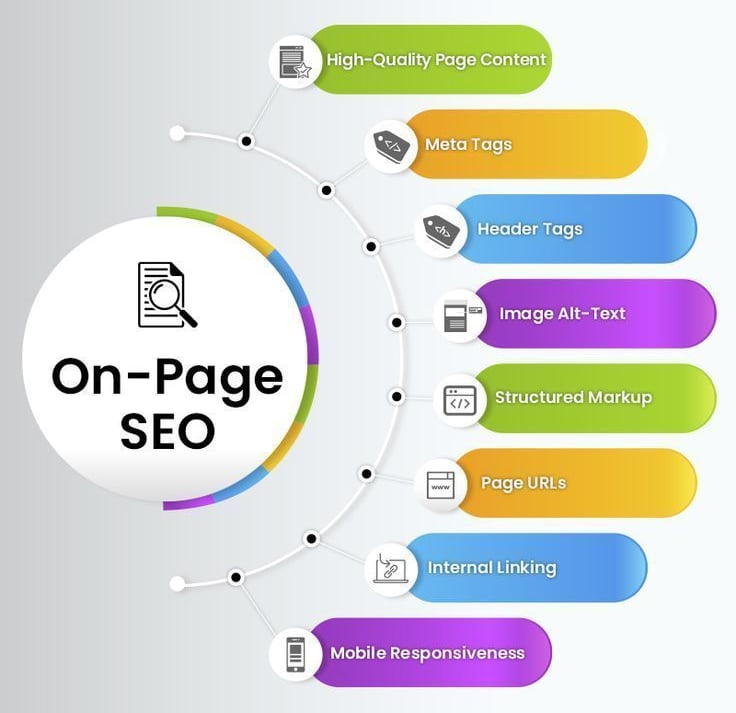
On-page SEO remains one of the most powerful and controllable aspects of search engine optimization. While algorithms continue to evolve, Google still relies heavily on well-optimized pages to understand content relevance and quality. In 2025, on-page SEO is no longer just about keywords—it is about user intent, experience, content depth, and technical accuracy.
This detailed guide will walk you through a complete on-page SEO checklist that helps improve rankings, increase organic traffic, and stay compliant with Google AdSense policies. Whether you run a business website, blog, or service-based site, applying these strategies can deliver long-term SEO success.
1. Keyword Research Comes First
Every successful on-page SEO strategy begins with proper keyword research. Instead of targeting broad keywords, focus on search intent-based keywords.
Best Practices:
Use number one and secondary key phrases naturally
Focus on long-tail key phrases with clean intent
Avoid key-word stuffing
Include location-primarily based totally key phrases for nearby SEO
Choosing the right keywords ensures your content reaches users who are genuinely looking for your solution.
2. SEO-Friendly Title Tag Optimization
The identify tag is one of the most powerful rating signals. A well-crafted title increases click-through rate (CTR) and improves search visibility.
Optimization Tips:
Keep titles beneathneath 60 characters
Place the number one key-word on the beginning
Make it compelling and clear
Avoid reproduction titles throughout pages
Example:
On-Page SEO Checklist for 2025 | Improve Google Rankings
3. Write Compelling Meta Descriptions
While meta descriptions do not directly affect rankings, they strongly influence clicks from search results.
Best Practices:
Keep period among 150–a hundred and sixty characters
Include number one key phrases naturally
Highlight advantages or solutions
Avoid misleading information
A strong meta description improves traffic quality and engagement.
4. Proper Use of Heading Tags (H1–H6)
Heading tags help search engines understand content structure and hierarchy.
Recommended Structure:
One H1 according to page (fundamental topic)
Use H2 for important sections
Use H3 and H4 for sub-points
Include key phrases certainly in headings
Clear headings improve readability and user experience, which indirectly supports SEO.
5. High-Quality, User-Focused Content
Content quality is the backbone of on-page SEO. Google prioritizes pages that deliver value, clarity, and usefulness.
Content Guidelines:
Write unique and informative content
Maintain clean paragraph spacing
Use bullet factors for readability
Answer consumer questions completely
Avoid copied or spun content
For AdSense approval, content must be informative, non-deceptive, and family-safe.
6. Image Optimization and Alt Tags
Images enhance user engagement, but they must be optimized correctly.
Image SEO Tips:
Compress pix for quicker loading
Use descriptive report names
Add keyword-applicable alt text
Avoid stuffing key phrases in alt tags
Alt text improves accessibility and helps images rank in Google Image Search.
7. Internal Linking Strategy
Internal hyperlinks assist distribute web page authority and manual customers thru your website.
Best Practices:
Link to applicable weblog posts and provider pages
Use descriptive anchor text
Avoid over-linking
Improve crawlability for seek engines
A strong internal linking structure improves engagement and SEO performance.
8. URL Structure Optimization
SEO-friendly URLs improve both rankings and user trust.
Ideal URL Structure:
Short and readable
Includes primary keyword
Avoids special characters and numbers
Uses hyphens in place of underscores
Example:
www.example.com/on-page-seo-checklist
9. Page Speed and Core Web Vitals
Page velocity is a showed Google rating factor. Slow web sites frustrate customers and growth jump rates.
Optimization Tips:
Use fast hosting
Compress images
Minimize CSS and JavaScript
Enable browser caching
Improving page speed also enhances AdSense ad performance.
10. Mobile-Friendly Design
With mobile-first indexing, Google evaluates your site based on mobile performance.
Mobile SEO Checklist:
Responsive design
Easy navigation
Readable font sizes
Clickable buttons with spacing
A mobile-optimized site improves rankings and user retention.
11. Optimize for Search Intent
Understanding search intent is critical in 2025 SEO.
Types of Search Intent:
Informational
Navigational
Commercial
Transactional
Match your content format to the user’s intent to increase engagement and conversions.
12. Use Schema Markup (Optional but Powerful)
Schema markup helps search engines better understand your content and may improve visibility with rich results.
Common schema sorts include:
Article schema
FAQ schema
Local business schema
While optional, schema enhances SEO performance when used correctly.
13. Avoid Common On-Page SEO Mistakes
Many websites fail due to simple errors.
Common Mistakes:
Duplicate content
Missing meta tags
Keyword stuffing
Thin content
Broken inner links
Regular audits assist preserve search engine optimization health.
Conclusion
On-page SEO in 2025 is about balance—combining technical accuracy, content quality, and user experience. By following this complete on-page SEO checklist, you can build pages that rank higher, attract quality traffic, and follow Google AdSense standards.
Consistent optimization and regular updates will ensure long-term success in search engine rankings. If you want sustainable growth, mastering on-page SEO is non-negotiable.
Phone
challagundlasrinivasarao77@gmail.com
+91-8317635506
© 2025. All rights reserved.
Disclaimer
Sri Digital Solutions provides digital marketing services to support business growth. We do not guarantee specific results as they may vary based on industry, competition, and marketing budget.
Privacy Policy
We collect personal information (name, phone number, email) only to deliver our services and communicate with clients.
We do not sell or share your data with any third party except for required service integrations like analytics and ads.
Terms & Conditions
By using our website or services, you agree to follow our service guidelines, payment terms, communication policies, and confidentiality requirements.